We only say that let us generate required energy from renewable sources such as the Sun, wind, waves, wastes and so forth without spoiling our land, water, air, sea and sea food, cattle and crops etc. After all, food security, nutrition security, water security and air security are far more important than energy security.

Challenges to Indian Democracy: Nuclearisation, Militarisation and State Violence
Prominent activists, journalists and intellectuals like P.Sainath, Medha Patkar, Admiral Ramdas, Praful Bidwai, Jean Dreze, S.P. Udayakumar and other concerned citizens and movements from all over the country converged in New Delhi to raise their voice for justice and peace, and discuss the ways ahead to confront the intensifying assaults on the basic tenets of India’s hard-fought democracy. The convention focused on nuclearisation, militarisation and state violence which are the most immediate and dangerous challenges to Indian democracy.
India’s nuclear program: illusory gains and unaffordable risks
As a disarmament crusader, India was the foremost critic of the Non-Proliferation Treaty-centered “nuclear apartheid” regime. As a non-NPT nuclear-armed state, India has been gradually integrating with the global nuclear orders while hypocritically preaching nuclear abstinence to others like North Korea and Iran.

[TEXT] Joint Statement from the 2014 No Nukes Asia Forum
Activists from Japan, South Korea, Hong Kong, Turkey, Philippines, India and Taiwan converged in Taipei last week to chart out the common issues across Asia and build solidarity for a nuclear free world. Kumar Sundaram participated on behalf of the CNDP in the Forum. Here is the joint statement adopted by the NNAF 2014 –
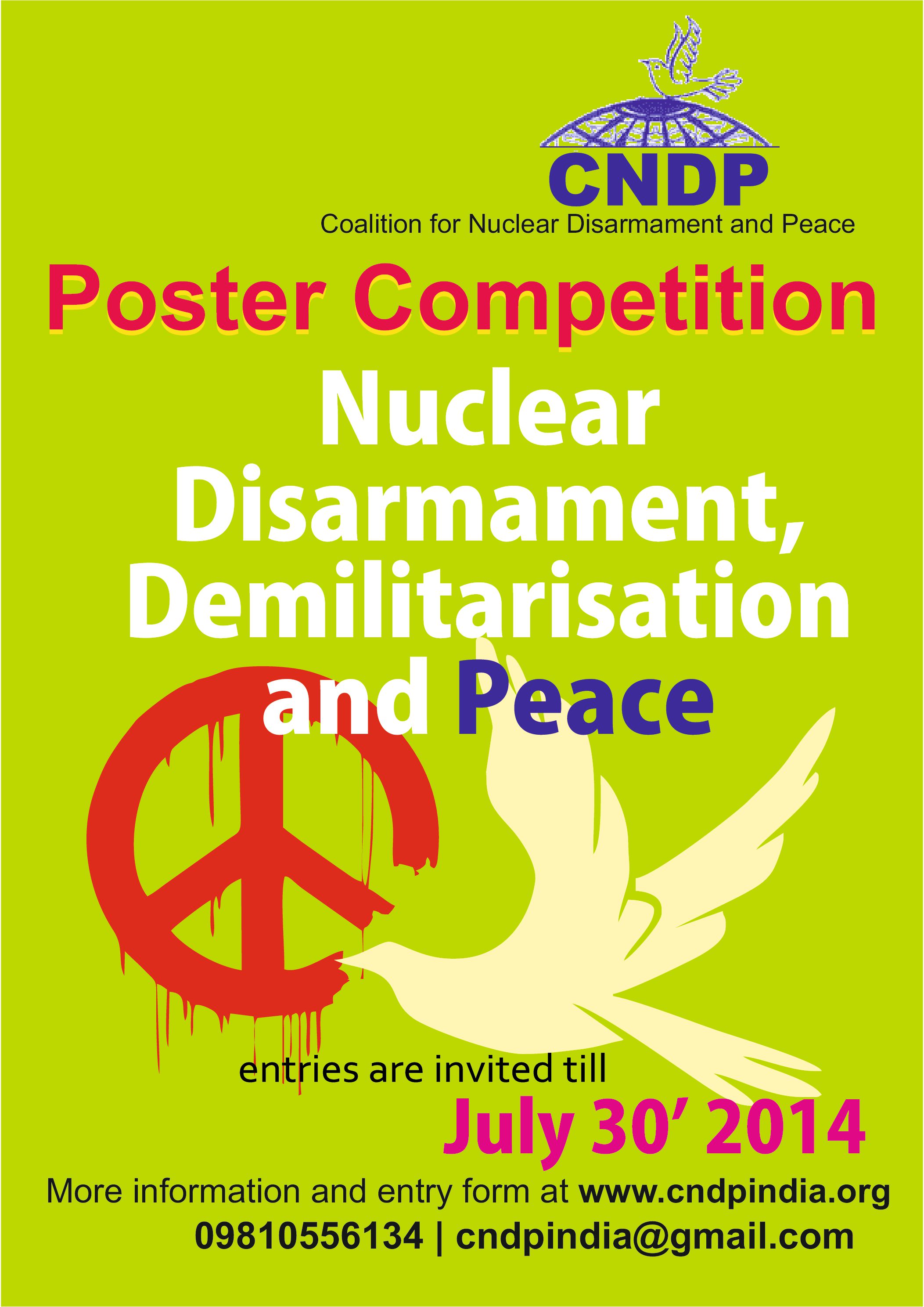
Results of the CNDP Poster Competition
We express our heartfelt thanks to all of you for participating in the poster competition organised by the CNDP.